Puppy Hoodie Guide: The Cutest & Warmest Dog Hoodies Ranked
Everything you need to know about dog hoodies — why dogs need them, how to size them, top picks, and care tips. Featuring the Pupreme Hoodie and more.
Dog hoodies used to be a purely fashion statement — something you would see on Instagram-famous Pomeranians and nowhere else. But the truth is, dog hoodies serve a real, practical purpose for many breeds. Small dogs, thin-coated breeds, elderly dogs, and puppies all struggle to regulate their body temperature in cold weather, and a well-fitted hoodie can make the difference between a miserable winter walk and an enjoyable one.
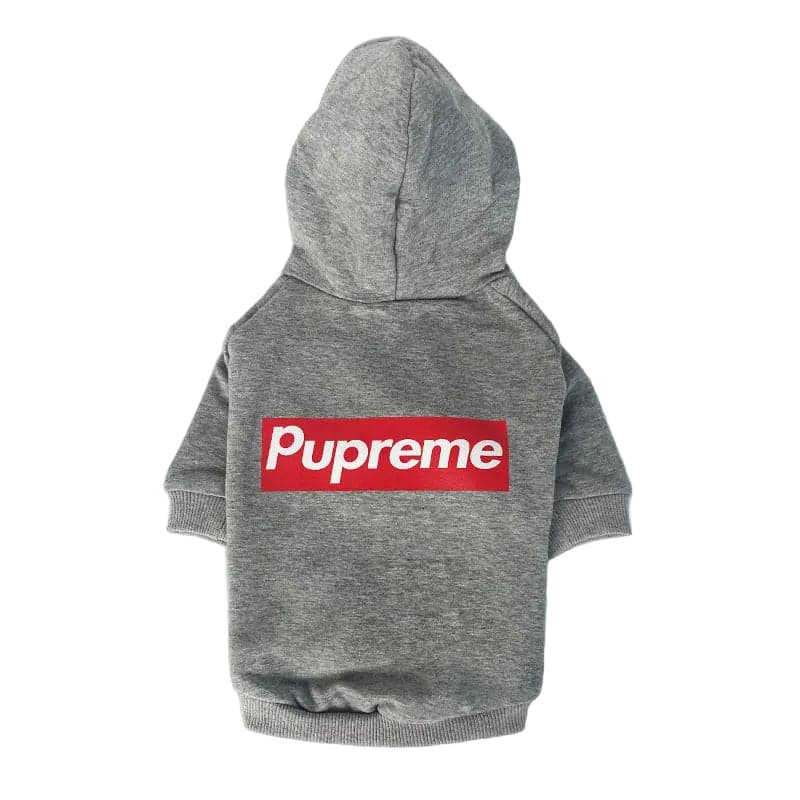
Of course, there is nothing wrong with wanting your dog to look adorable too. And that is exactly why products like the Rio's Pupreme Hoodie exist — they keep your pup warm while making sure they are the best-dressed dog at the park. This guide covers everything you need to know about choosing, sizing, and caring for dog hoodies.
Which Dogs Actually Need a Hoodie?
Small and Toy Breeds
Physics is not kind to small dogs when it comes to heat retention. Smaller bodies have a higher surface-area-to-volume ratio, which means they lose body heat faster than larger dogs. Chihuahuas, Yorkshire Terriers, Toy Poodles, Papillons, and other tiny breeds can start shivering at temperatures that barely register for a Labrador. For these dogs, a hoodie is not a luxury — it is a health necessity during cold months.
Thin-Coated and Hairless Breeds
Breeds with thin, single-layer coats lack the insulation that double-coated breeds enjoy. Greyhounds, Whippets, Italian Greyhounds, Boxers, and Pit Bulls fall into this category. Their sleek coats look beautiful but provide minimal protection against cold air and wind. Hairless breeds like the Chinese Crested and Xoloitzcuintli need clothing anytime the temperature drops below about 60 degrees Fahrenheit.
Senior Dogs
As dogs age, their ability to regulate body temperature declines. Older dogs often have less body fat and muscle mass, reduced circulation, and conditions like arthritis that worsen in cold weather. A warm hoodie helps senior dogs stay comfortable during outdoor time and can actually reduce joint stiffness by keeping muscles warm.
Puppies
Very young puppies have not yet developed the ability to regulate their body temperature effectively. If you have a puppy under 6 months old and live in a cold climate, a lightweight hoodie for outdoor excursions is a smart investment. Just make sure it fits properly and does not restrict movement.
Post-Surgery and Recovering Dogs
Dogs recovering from surgery or illness often have compromised immune systems and reduced ability to maintain body temperature. A soft, comfortable hoodie provides warmth without the bulk and restriction of a traditional recovery cone. Some dog owners even use hoodies as an alternative to cones for abdominal incisions, as the fabric covers the area without the stress of wearing a cone.
How to Size a Dog Hoodie Correctly
Poor fit is the number one reason dogs resist wearing hoodies. A hoodie that is too tight restricts movement and causes discomfort. One that is too loose shifts around, gets caught on things, and annoys your dog. Getting the right size requires three measurements:
Neck Circumference
Measure around the base of your dog's neck where a collar would sit. Use a flexible tape measure and keep it snug but not tight — you should be able to slip one finger between the tape and your dog's neck.
Chest Girth
This is the most important measurement. Wrap the tape around the widest part of your dog's ribcage, usually just behind the front legs. Again, snug but not tight. This measurement determines whether the hoodie will be comfortable or constricting around the torso.
Back Length
Measure from the base of the neck (where the collar sits) to the base of the tail. The hoodie should cover most of this length without extending past the tail, which would interfere with bathroom breaks.
Golden rule: When you are between two sizes, always size up. A slightly loose hoodie is far more comfortable for your dog than a slightly tight one. You can always roll up sleeves or adjust the fit, but you cannot make a too-small hoodie stretch.
Our Top Pick: Rio's Pupreme Hoodie
After testing numerous dog hoodies across different brands and price points, the Rio's Pupreme Hoodie stands out as our top recommendation for 2026. Here is why:
Material Quality
The Pupreme Hoodie uses a soft, brushed cotton-blend fabric that provides genuine warmth without overheating. The inside is lightly fleece-lined for extra coziness, while the outer layer is smooth enough to resist picking up burrs, leaves, and debris during walks. It strikes the perfect balance between warmth and breathability — your dog stays comfortable in temperatures from about 35 to 55 degrees Fahrenheit.
Design and Fit
The cut is designed specifically for dogs, not adapted from human clothing patterns (which is a surprisingly common shortcut in the pet clothing industry). This means the arm holes are positioned correctly for a dog's anatomy, the torso is shaped to allow natural movement, and the hoodie portion sits comfortably without sliding over the eyes. The leash hole on the back is a thoughtful detail that lets you attach a leash to a harness without removing the hoodie.
Style
Let us be honest — the Pupreme Hoodie also looks fantastic. The clean, branded design gives your dog that effortlessly cool street-style look that gets compliments at the dog park. Available in multiple colors and sizes, there is a Pupreme for every pup.
Training Your Dog to Wear a Hoodie
Some dogs take to clothing immediately. Others look at you like you have personally betrayed them. If your dog falls into the second category, here is a gentle training approach:
Day 1-2: Introduction
Place the hoodie on the ground and let your dog sniff it. Reward with treats. Drape it over their back without fastening it. More treats. Remove it. Repeat several times.
Day 3-4: First Fitting
Put the hoodie on your dog properly. Immediately give high-value treats and praise. Keep it on for 5 minutes, then remove. Some dogs will freeze up or "pancake" (lie flat on the ground). This is normal and usually passes quickly. Distract with play or a favorite toy — the Rio's Rabbit works perfectly for this.
Day 5-7: Gradual Extension
Increase wearing time by 5-10 minutes each session. Take your dog outside while wearing the hoodie — the distraction of new smells and sights often makes them forget they are wearing anything. Most dogs are fully comfortable within a week.
Hoodie Care and Maintenance
- Wash regularly: Dog hoodies collect hair, drool, dirt, and outdoor odors. Machine wash every 2-3 wears on a gentle cycle with cold water.
- Use pet-safe detergent: Avoid heavily fragranced detergents and skip fabric softener entirely, as these can irritate your dog's skin.
- Air dry when possible: Heat can shrink cotton-blend fabrics and degrade elastic components. Air drying preserves the fit and extends the hoodie's life.
- Check for wear: Inspect seams, zippers, and velcro regularly. Replace the hoodie if any components become loose enough to pose a choking hazard.
- Have a backup: If your dog wears a hoodie daily in winter, having two allows you to always have a clean one ready while the other is in the wash.
Common Hoodie Mistakes to Avoid
- Leaving clothing on 24/7: Dogs need time without clothing to let their skin breathe and their coat regulate naturally. Use hoodies for outdoor time and remove them indoors unless your home is particularly cold.
- Ignoring signs of discomfort: If your dog is excessively scratching, trying to remove the hoodie, or seems depressed while wearing it, the fit may be wrong or your particular dog may simply not tolerate clothing. Respect their signals.
- Putting hoodies on double-coated breeds: Huskies, Samoyeds, Malamutes, and similar breeds have built-in insulation that a hoodie can actually interfere with. Their double coat traps air for insulation, and adding a layer on top can cause overheating. These breeds almost never need clothing.
- Forgetting about rain: Most cotton hoodies are not waterproof. In wet weather, a wet hoodie is worse than no hoodie at all, as it holds moisture against your dog's skin and actually accelerates heat loss. Use a waterproof jacket for rainy days instead.
For more tips on keeping your dog comfortable and well-equipped, check out our best dog products of 2026 guide.
The Bottom Line
Dog hoodies are a practical necessity for many breeds and a delightful bonus for any dog owner who wants their pup to look their best. The key is choosing the right size, introducing it gradually, and selecting quality materials that provide real warmth without restriction. Our top pick, the Rio's Pupreme Hoodie, delivers on all fronts with premium materials, dog-specific tailoring, and undeniable style.
Browse our full clothing collection to find the perfect outfit for your pup.
Frequently Asked Questions
Do dogs actually need hoodies?
Some dogs absolutely do. Small breeds, thin-coated breeds, senior dogs, and puppies lose body heat quickly and benefit from an extra layer in cold weather. Breeds like Chihuahuas, Greyhounds, Whippets, and Chinese Cresteds are particularly vulnerable to cold. Even medium-coated breeds can benefit from a hoodie during winter walks.
How do I measure my dog for a hoodie?
You need three measurements: neck circumference (where the collar sits), chest girth (widest part of the ribcage), and back length (base of neck to base of tail). Compare these to the size chart for each specific hoodie, as sizing varies between brands. When between sizes, size up.
Will my dog tolerate wearing a hoodie?
Most dogs adapt to clothing within a few wear sessions if introduced gradually. Start by draping the hoodie over your dog without fastening it. Then try it on for 5 minutes with treats and praise. Gradually increase wearing time. Some dogs take to it immediately while others need a week of practice.
How do I wash a dog hoodie?
Machine wash on gentle cycle with cold water and pet-safe detergent. Avoid fabric softeners, which can irritate dog skin. Air dry or tumble dry on low heat. Wash after every 2-3 wears, or immediately if it gets muddy or wet.
Products Mentioned
Keep Reading