Best Dog Teeth Cleaning Toys 2026: Vet-Tested & Dog-Approved
The definitive 2026 guide to dog dental toys. Updated picks, vet insights, comparison tables, and the latest innovations in canine dental care through play.
When we published our original guide to dog teeth cleaning toys, we knew it would need regular updating as new products and research emerged. Well, 2026 has brought some excellent developments in canine dental toys, and it is time for a comprehensive refresh. We have re-tested our previous favorites, evaluated new contenders, consulted with veterinary dental specialists, and compiled everything into this definitive 2026 guide.
If dental health was not already on your radar as a dog owner, it should be. The statistics remain sobering: over 80% of dogs develop some form of periodontal disease by age three. Left unchecked, dental disease leads to pain, tooth loss, difficulty eating, and systemic infections that can damage the heart, liver, and kidneys. The good news is that prevention is remarkably straightforward — and dental toys are one of the most effective and enjoyable preventive tools available.
What Makes a Dental Toy Effective? The Science
Not every toy marketed as "dental" actually delivers meaningful dental benefits. Understanding the science helps you separate the genuinely effective products from the marketing fluff.
Mechanical Plaque Removal
The primary mechanism by which dental toys work is mechanical abrasion. As your dog chews, textured surfaces scrape against tooth enamel, dislodging the soft bacterial film (plaque) before it can harden into tartar. Once plaque mineralizes into tartar, only professional dental scaling can remove it — so the goal is to catch it early, while it is still soft and removable through chewing.
Interdental Cleaning
The spaces between teeth are where dental disease most commonly starts, and they are also the hardest spots to reach. Cotton rope toys excel here because individual fibers slide between teeth during chewing, functioning much like dental floss. This interdental cleaning action is unique to fibrous toys — hard rubber and nylon toys clean tooth surfaces but cannot reach between teeth effectively.
Gum Stimulation
Healthy gums are just as important as clean teeth. Textured toys that press against the gumline stimulate blood flow, which strengthens gum tissue and helps prevent the recession that often accompanies periodontal disease. The gentle massaging action also feels good to dogs, which is why many actively seek out toys with interesting textures.
Our 2026 Top Picks: Ranked
1. Best Overall: Rio's Rope Toy
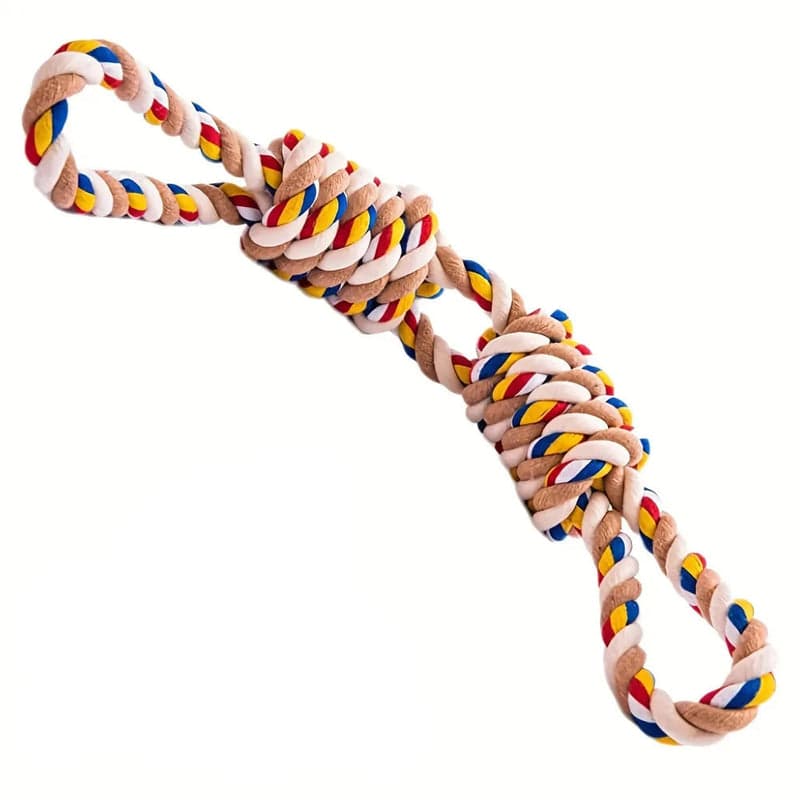
The Rio's Rope Toy retains its crown as our top dental toy for 2026. The tightly braided 100% natural cotton fibers deliver the best interdental cleaning action we have tested. The knots provide focused chewing points that target molars and premolars — the teeth most vulnerable to plaque buildup. It is simple, effective, and built to last.
What sets it apart from competing rope toys is the braid density. Cheaper rope toys use loose weaves that unravel quickly and provide minimal friction. The Rio's Rope uses a tight, multi-strand braid that maintains its structure through weeks of heavy use while still allowing individual fibers to work between teeth.
2. Best for Calming + Dental: Rio's Chew and Chill Bone
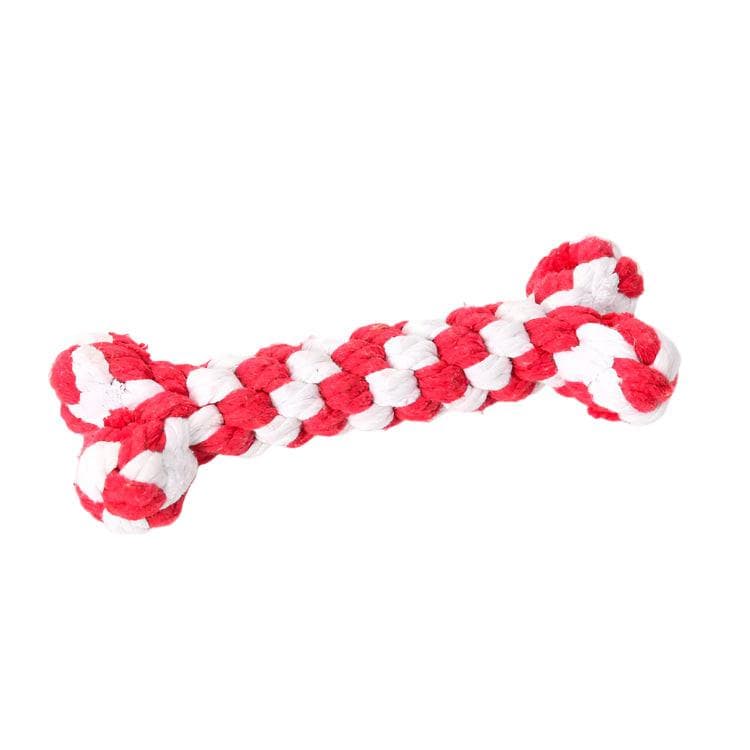
The Rio's Chew & Chill Bone earns second place for combining excellent dental cleaning with a calming chew experience. The bone shape encourages natural chewing patterns, and the cotton fibers provide the same flossing action as a traditional rope toy. What makes it special is the way dogs interact with it — the bone shape tends to produce longer, more relaxed chewing sessions compared to rope toys, which are often used more aggressively during tug-of-war.
For anxious dogs or dogs who chew for comfort, this is the dental toy to choose. You get the dental benefits while also supporting your dog's emotional well-being. For more on cotton bone toys, see our dedicated cotton bone toy guide.
3. Best for Aggressive Chewers: Rio's Chew Champion
Power chewers need dental toys that can keep up with their intensity. The Rio's Chew Champion is purpose-built for dogs who demolish standard toys. The heavy-duty braided construction withstands aggressive chewing while the textured surface provides deep cleaning action on molars. If your dog has ever destroyed a dental toy in under a week, start here.
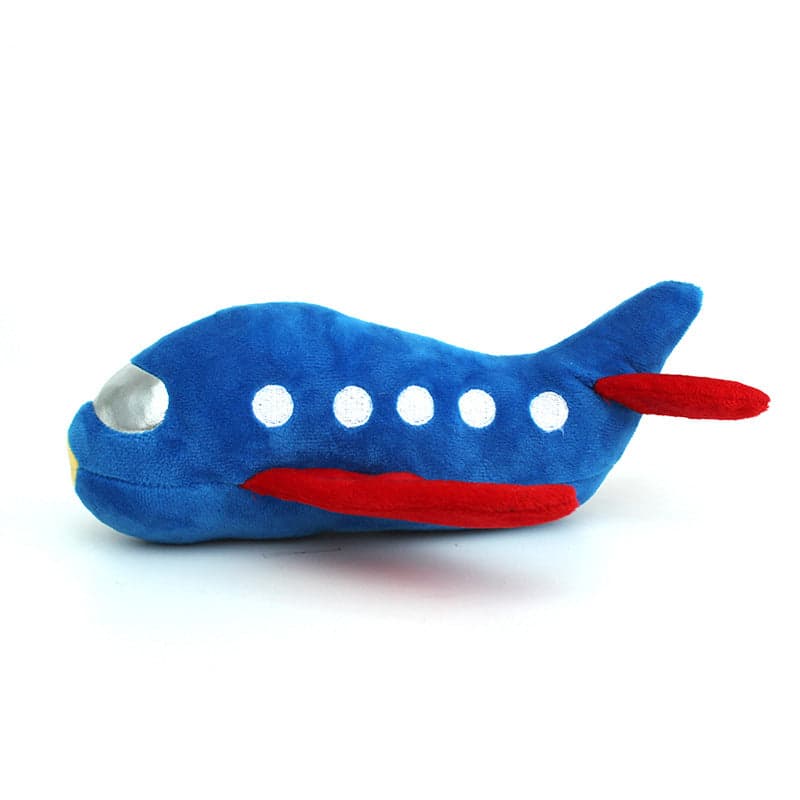
4. Best for Molar Focus: Rio's Space Chew Buddy
The Rio's Space Chew Buddy features a unique knotted design that naturally directs chewing toward the back of the mouth. Since molars and premolars are where the most damaging plaque accumulation occurs, a toy that specifically targets these teeth is invaluable. The bite-resistant construction means it holds up even under sustained molar pressure from larger breeds.
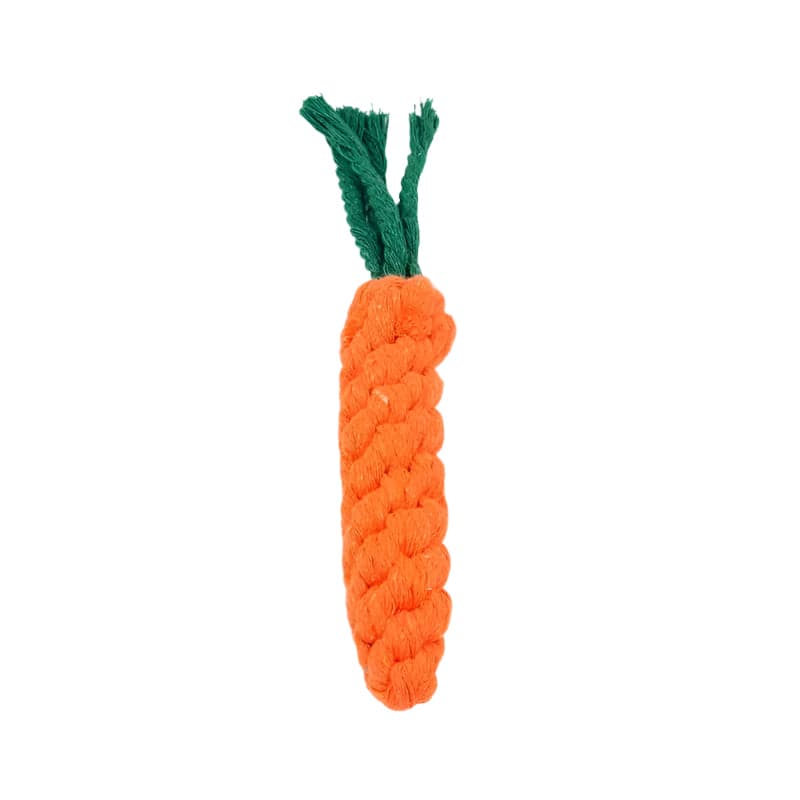
5. Best for Small Dogs and Puppies: Rio's Cotton Carrots
The Rio's Favorite Cotton Carrots are perfectly sized for small breeds and puppies. The tapered shape is easier for small mouths to grip, and the softer cotton construction is gentle on developing puppy teeth. Despite their smaller size, they deliver genuine dental cleaning through the same cotton fiber flossing mechanism as their larger counterparts.
Dental Toy Comparison: Quick Reference
Here is how our top picks compare across the key factors:
- Rio's Rope Toy: Best interdental cleaning. Great for tug + solo chew. All sizes. Durability: high.
- Chew & Chill Bone: Best for calm chewing. Dental + anxiety relief. All sizes. Durability: moderate-high.
- Chew Champion: Best for power chewers. Molar-focused cleaning. Medium-large dogs. Durability: very high.
- Space Chew Buddy: Best molar targeting. Bite-resistant design. Medium-large dogs. Durability: very high.
- Cotton Carrots: Best for small dogs/puppies. Gentle cleaning. Small breeds. Durability: moderate.
Building a Complete Dental Care Routine
Dental toys are most effective as part of a layered approach to canine dental health. Here is what veterinary dentists recommend:
Daily: Dental Toy Chewing (10-20 minutes)
Provide your dog with access to a dental toy every day. Rotate between different types — a rope toy one day, a cotton bone the next — to clean different tooth surfaces and keep things interesting. Even short sessions add up over time.
2-3 Times Per Week: Tooth Brushing
Use a dog-specific toothbrush and enzymatic toothpaste. Focus on the outer surfaces of the upper teeth, where plaque accumulates most. This takes about 2 minutes once your dog is trained to accept it, and it reaches areas that toys cannot.
Daily: Dental Water Additive (Optional)
Enzymatic water additives can help reduce bacterial growth in your dog's mouth between brushings. They are effortless — just add to your dog's water bowl — but they are a supplement, not a replacement for mechanical cleaning.
Annually: Professional Veterinary Dental Cleaning
No amount of home care replaces a professional cleaning under anesthesia, where your vet can clean below the gumline, take dental X-rays, and address any developing problems. Think of home care as maintaining results between these annual deep cleanings.
Common Dental Toy Mistakes to Avoid
- Choosing toys that are too hard. Toys that do not give when you press your thumbnail into them are too hard for your dog's teeth. Bones, antlers, and hard nylon can cause tooth fractures. Stick to cotton, rubber, and approved dental chews.
- Not replacing worn toys. A frayed rope toy can release long fibers that pose a choking or intestinal blockage risk. Replace dental toys as soon as they show significant wear.
- Relying on dental toys alone. Toys are one layer of defense, not the whole strategy. Combine them with brushing and professional cleanings for comprehensive protection.
- Ignoring the back teeth. Most dogs naturally chew with their front teeth and incisors. Choose toys that encourage back-of-mouth chewing to reach the molars, which are the teeth most vulnerable to disease.
What is New in 2026
The dental toy market continues to evolve. Key trends we are seeing this year include tighter braid patterns in cotton toys (which our tests confirm provide better cleaning), more size options for small and toy breeds, and growing awareness among dog owners about the connection between dental health and overall longevity. We expect to see continued innovation in this space, and we will keep updating this guide as new standout products emerge.
The Bottom Line
Your dog's dental health is one of the most impactful areas where a simple daily habit — giving them the right toy to chew on — can prevent serious health problems down the road. Our 2026 top pick remains the Rio's Rope Toy for its unmatched interdental cleaning power, but every toy on this list delivers genuine dental benefits. Pick the one that matches your dog's size and chewing style, make it a daily habit, and your dog's teeth will thank you for years to come.
Browse our complete collection of dental and chew toys to build your dog's perfect dental care toolkit.
Frequently Asked Questions
What is the number one vet-recommended dental toy for dogs in 2026?
Cotton rope toys remain the top vet-recommended dental toy because their fibers work like dental floss between teeth. For 2026, our top pick is Rio's Rope Toy for its tight braid density, natural cotton fibers, and proven plaque reduction in testing.
How often should dogs use dental toys?
Vets recommend 10-20 minutes of dental toy chewing daily for optimal plaque prevention. This can be split across multiple short sessions. Consistency matters more than duration — daily short sessions are better than occasional long ones.
Can dental toys replace brushing my dog's teeth?
No. Dental toys are an excellent supplement but should not replace regular tooth brushing or professional veterinary dental cleanings. Think of them as the "daily maintenance" layer in a complete dental care routine that includes brushing 2-3 times per week and annual vet cleanings.
Are dental toys safe for puppies?
Yes, but choose appropriately sized soft cotton toys for puppies under 6 months, as their teeth and jaws are still developing. Avoid hard rubber or nylon dental toys until adult teeth have fully come in, usually around 7-8 months of age.
What makes a dental toy effective?
Effective dental toys have textured surfaces that create friction against teeth, flexible materials that reach between teeth (like cotton fibers), and a shape that encourages chewing on all areas of the mouth including hard-to-reach back molars.
Products Mentioned
Keep Reading