Best Dog Accessories for Small Breeds: Toys, Beds, Leashes & More
Small dogs have unique needs. Here is the ultimate guide to choosing the right size toys, beds, leashes, and accessories for small and toy breeds.
Small dogs are not just scaled-down versions of big dogs — they have genuinely different needs, different sensitivities, and different risks to consider when choosing accessories. Here is your complete guide to getting it right for small and toy breeds.
Toys: Size Matters
The most important rule with small dog toys is appropriate sizing. A toy that is too large forces a small dog to hold their head in an unnatural angle to engage with it, which can cause neck and jaw strain over time. Look for toys labeled for small or toy breeds, which are typically 4 to 8 inches long and light enough for a small dog to carry comfortably.
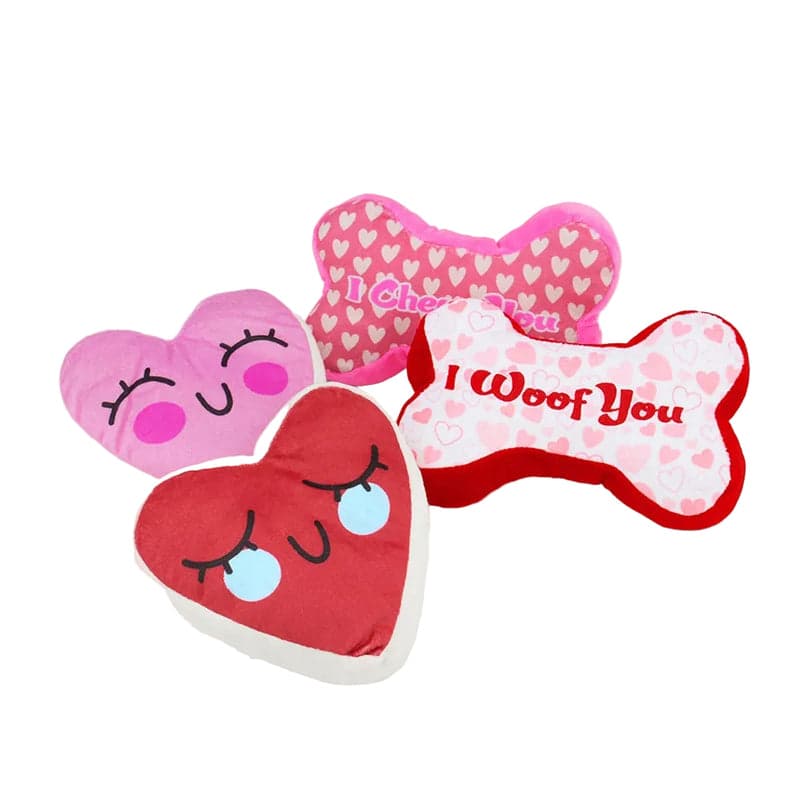
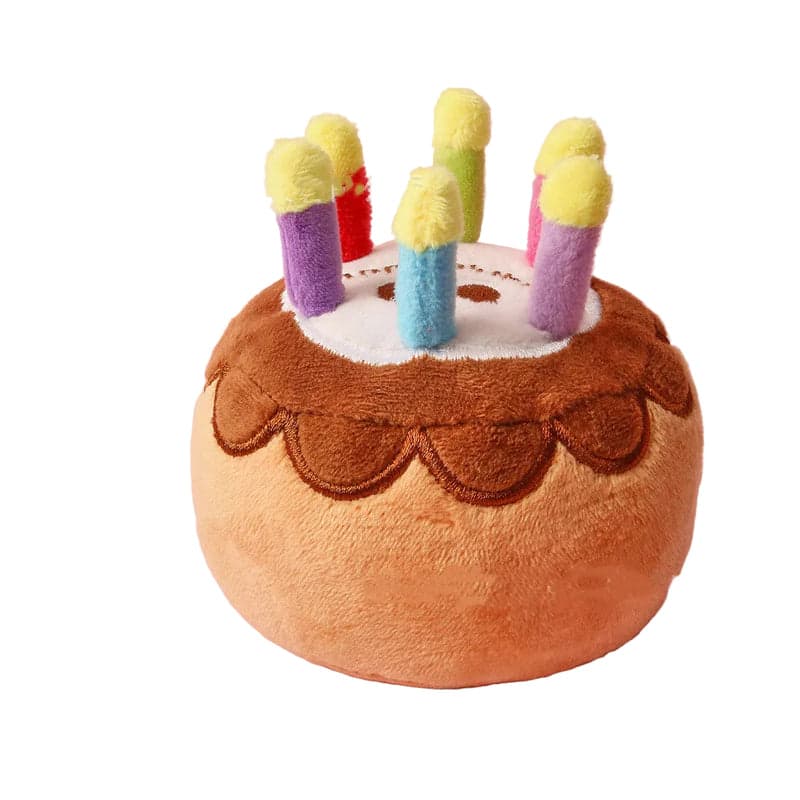
Soft plush toys are particularly popular with small breeds — many small dogs are comfort-seekers who like to carry their toys around and sleep with them rather than destroy them. The Love Squeaks Plush Toys are perfectly sized for small breeds, with a soft body and satisfying squeaker that does not require much bite pressure to activate. For chewers, choose small-scale rope toys and chews rather than the heavy-duty versions made for large breeds.
Beds: The Case for Enclosed Sleeping Spaces
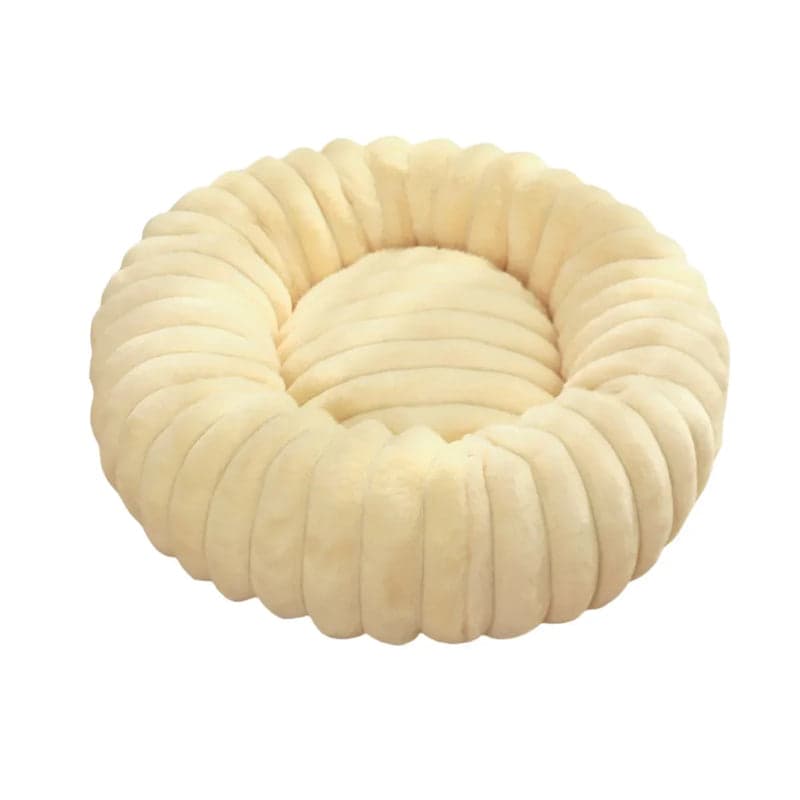
Small dogs often feel more secure in beds with raised sides or enclosed shapes. A donut or bolster bed lets them press their back against something solid, which is deeply comforting for small breeds who can feel exposed in flat, open beds. Make sure the bed is scaled to your dog — a Chihuahua disappearing into a bed made for a Labrador is not getting the comfort benefits the design intended.
For senior small dogs or those with arthritis, an orthopedic option with memory foam provides joint support that matters more as they age. Check our detailed guide on choosing the right dog bed for a full breakdown by sleep style.
Leashes and Harnesses: Protect the Neck
Small dogs are disproportionately at risk of tracheal collapse — a condition where the windpipe weakens and flattens under pressure. Using a collar rather than a harness dramatically increases this risk because any pulling or sudden jerking applies direct pressure to the trachea. Use a well-fitted chest or step-in harness for all small and toy breeds and save collars for ID tags only.
For the leash itself, a lightweight 4 to 5-foot nylon or thin leather leash is ideal. Avoid heavy leashes — anything that feels light to you might feel heavy to a 6-pound dog. Our leash guide covers the best options for small dogs specifically, including hands-free options for active owners.
Clothing: More Than Fashion for Small Breeds
Small dogs, especially short-coated varieties like Chihuahuas, Italian Greyhounds, and Miniature Pinschers, genuinely feel the cold more than larger breeds. A lightweight sweater for temperatures below 50°F and a waterproof jacket for rain and cold are practical necessities, not accessories. Check our cold weather clothing guide for fit tips and our clothing collection for small-breed-friendly options.
Food and Water Bowls: Elevation Matters
Standard floor-level bowls are fine for most dogs, but elevated feeders can be beneficial for small breeds who have to strain their neck downward to eat. Look for a shallow bowl that your dog can reach comfortably without dunking their whole face in the water. Slow-feeder inserts are worth considering even for small dogs who eat too fast — bloat and digestive issues are not exclusive to large breeds.
Grooming: The Small Dog Reality
Small dogs often require more frequent grooming than large dogs, particularly those with continuously growing coats. Long-coated small breeds need brushing every other day to prevent matting around the ears, face, legs, and belly. Invest in a quality slicker brush sized for small breeds, small-handled nail clippers, and gentle tearless shampoo. Our full grooming guide covers the process for all breed types.
Browse our complete product collection for everything your small dog needs, and explore the Paws Gazette for more expert guides tailored to every type of dog owner.
Frequently Asked Questions
What toys are safe for small dogs?
Small dogs need toys sized appropriately for their mouths — oversized toys can hurt their jaw or neck. Look for toys specifically labeled for small or toy breeds. Soft plush toys, smaller rope toys, mini puzzle toys, and squeaky toys around the size of their head are ideal. Avoid large hard rubber toys designed for big breeds, which can injure small jaws.
What is the best bed for a small dog?
Small dogs often feel most secure in bolster or donut-style beds with raised edges, which give them something to burrow against and provide a sense of protection. Choose a bed where the dog can fully stretch out when lying on their side but also curl up comfortably. Measure your dog's length and add 6 to 10 inches.
What leash is best for small dogs?
A 4-foot or 5-foot standard leash in a lightweight material (thin nylon or leather) is ideal for small dogs. Retractable leashes are especially risky for small breeds because they can dart under wheels before you can retract. Use a harness rather than a collar — small dogs are prone to collapsing trachea, and a collar puts dangerous pressure on the neck if they pull or lunge.
Products Mentioned
Keep Reading