Dog Clothes for Cold Weather: How to Keep Your Pup Warm & Stylish
Does your dog need winter clothes? Find out which breeds benefit most, how to get the right fit, and our top picks for dog jackets, sweaters, and hoodies.
The debate over dog clothes is real: some people think it is frivolous, others consider it essential. The truth is nuanced. Some dogs genuinely benefit from wearing clothing in cold weather. Others are perfectly comfortable without it. Here is how to figure out which category your dog falls into — and how to shop smart if they do need a layer.
Which Dogs Actually Need Winter Clothes?
The dogs who benefit most from cold-weather clothing are small breeds (Chihuahuas, Italian Greyhounds, Toy Poodles), short-coated breeds (Greyhounds, Whippets, Boxers, Pit Bulls), puppies and senior dogs (who regulate body temperature less efficiently), and dogs with certain health conditions like Cushing's disease or hypothyroidism. If your dog is shivering, reluctant to go outside, or holding up a paw from the cold ground, those are signs they need protection.
On the other hand, double-coated breeds — Huskies, Malamutes, Bernese Mountain Dogs, Samoyeds — have built-in insulation designed for arctic temperatures. Putting a jacket on them can actually cause overheating and interfere with their natural temperature regulation.
Choosing the Right Type of Cold-Weather Clothing
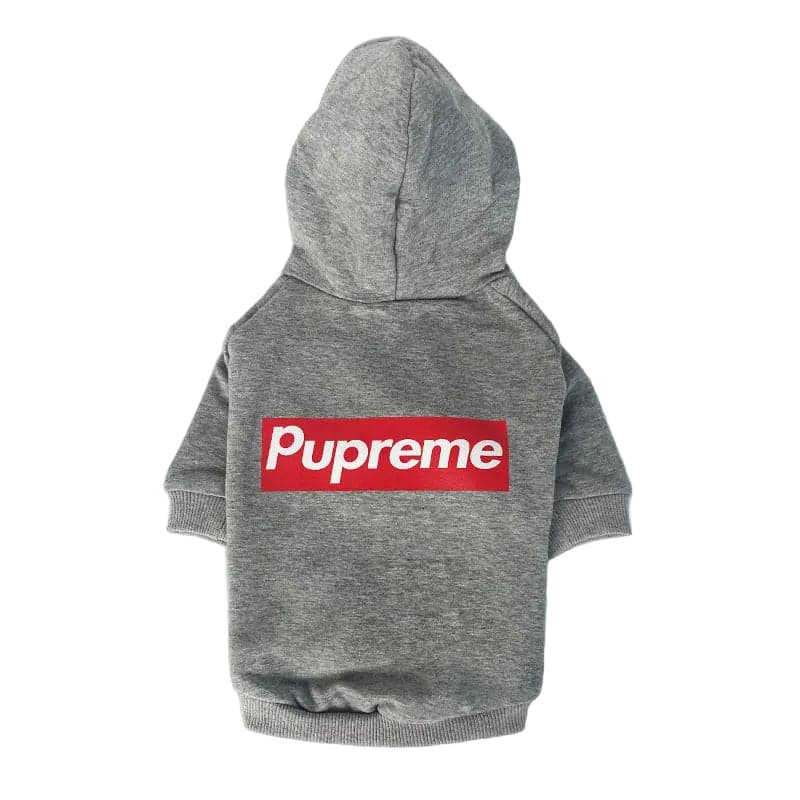
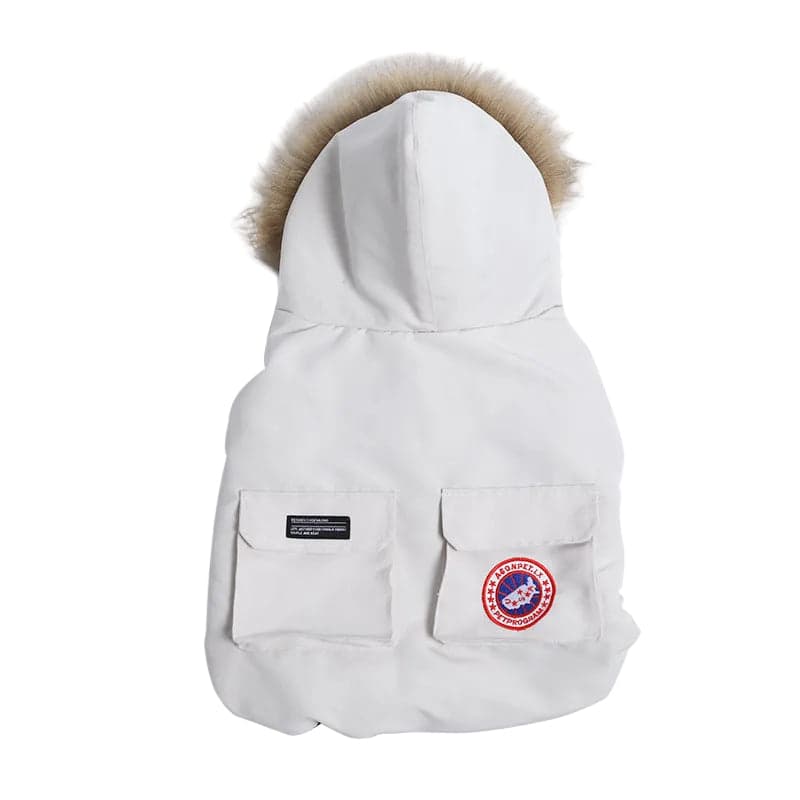
For temperatures between 35 and 50°F, a lightweight fleece sweater or hoodie provides enough warmth without being bulky. Our dog clothing collection includes options in a range of weights and styles for exactly this temperature range. For temperatures below 35°F, especially with wind and precipitation, you want a waterproof, insulated jacket that covers the chest and belly.
For dogs who go on hikes or spend time in deep snow, look for a jacket that extends to cover the belly and has leg loops to keep it from shifting. Booties are worth considering for dogs who walk on salted pavement — the salt can cause serious paw pad irritation. See our grooming guide for tips on paw care after winter walks.
Getting the Right Fit
Fit is everything with dog clothes. Too tight and your dog is restricted and stressed. Too loose and the garment twists, bunches, and gets in the way of movement. Measure your dog's chest girth (behind the front legs at the widest point), neck circumference, and back length from base of neck to base of tail. When measurements put you between sizes, go larger — dogs find tight clothing far more uncomfortable than slightly loose clothing.
How to Get Your Dog Comfortable with Wearing Clothes
Most dogs need a gradual introduction to wearing clothes, especially if they have never worn anything before. Start by letting your dog sniff and investigate the garment. Then slip it on quickly, immediately reward with a high-value treat, and take it off before your dog has a chance to struggle with it. Repeat over several short sessions, gradually increasing the time they wear it. Always pair the experience with treats and praise to create a positive association.
Look for garments that go on easily — over the head with no complex fasteners — and that do not cover the legs, which many dogs find highly restrictive. The simpler the design, the faster your dog adapts to wearing it.
Style Without Sacrificing Comfort
Dog fashion has become genuinely good. You no longer have to choose between practical and cute. Waterproof puffer jackets, cable-knit sweaters, and athletic performance fleeces all exist in dog sizes, many with reflective trim for visibility on dark winter walks. Browse our full clothing collection to find something that fits your dog's personality and your climate.
Whatever you choose, make sure your dog can move freely, breathe comfortably, and toilet without the garment getting in the way. Their comfort comes first — always.
Frequently Asked Questions
Do dogs actually need clothes in cold weather?
It depends on the breed. Short-coated, thin-built, small, elderly, or health-compromised dogs genuinely benefit from a jacket or sweater when temperatures drop below 45°F. Double-coated breeds like Huskies, Malamutes, and Bernese Mountain Dogs are naturally insulated and rarely need extra layers.
How do I know what size dog clothes to buy?
Measure your dog's neck circumference, chest girth (the widest point behind the front legs), and back length (from base of neck to base of tail). Use the largest measurement to guide your size selection. When in doubt, size up — most dogs find tight clothing restrictive and stressful.
How do I get my dog used to wearing clothes?
Start with brief sessions and use high-value treats. Let your dog sniff the garment first. Slide it on quickly, reward immediately, and take it off before they become uncomfortable. Gradually increase the duration over several sessions. Never force it — if your dog shows signs of extreme stress, remove the clothing and try a different approach.
Products Mentioned
Keep Reading