Best Dog Leashes 2026: Standard, Retractable & Training Leashes Compared
How to choose the right dog leash in 2026 — flat, retractable, hands-free and training leashes compared, with Rio's tested picks for every size and pulling style.
The right leash can make the difference between a pleasant walk and a chaotic tug-of-war. With dozens of options on the market — retractable, standard, slip, bungee, hands-free — choosing the right one for your dog can feel overwhelming. Here is what you actually need to know, organized by leash type and use case.
Standard Flat Leash: The Everyday Workhorse
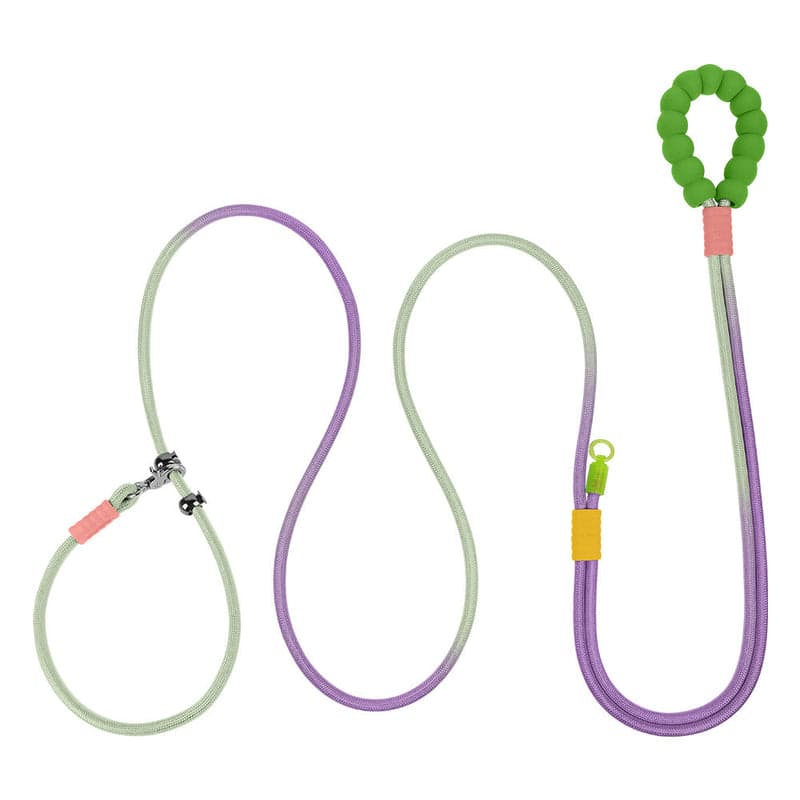
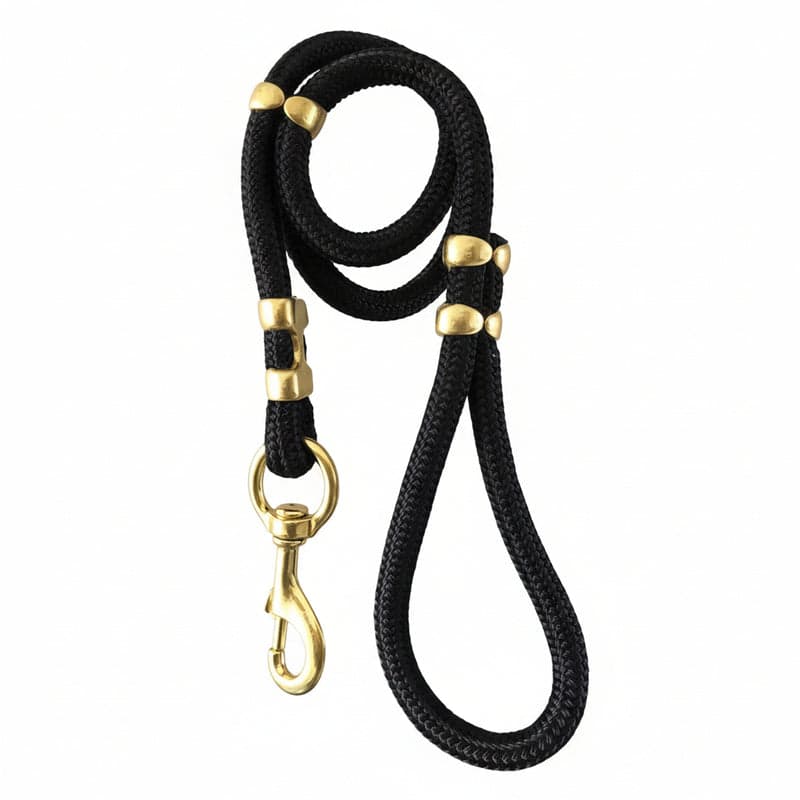
A 4 to 6-foot flat leash is the best choice for daily walks. It gives you direct communication with your dog, enough length to let them sniff and explore, and enough control to redirect if needed. Look for sturdy hardware — cheap clips bend and snap under pressure from strong dogs. Nylon is affordable and available in every color and pattern. For a premium feel, biothane-coated webbing is waterproof, bite-resistant, and cleans up with a wipe.
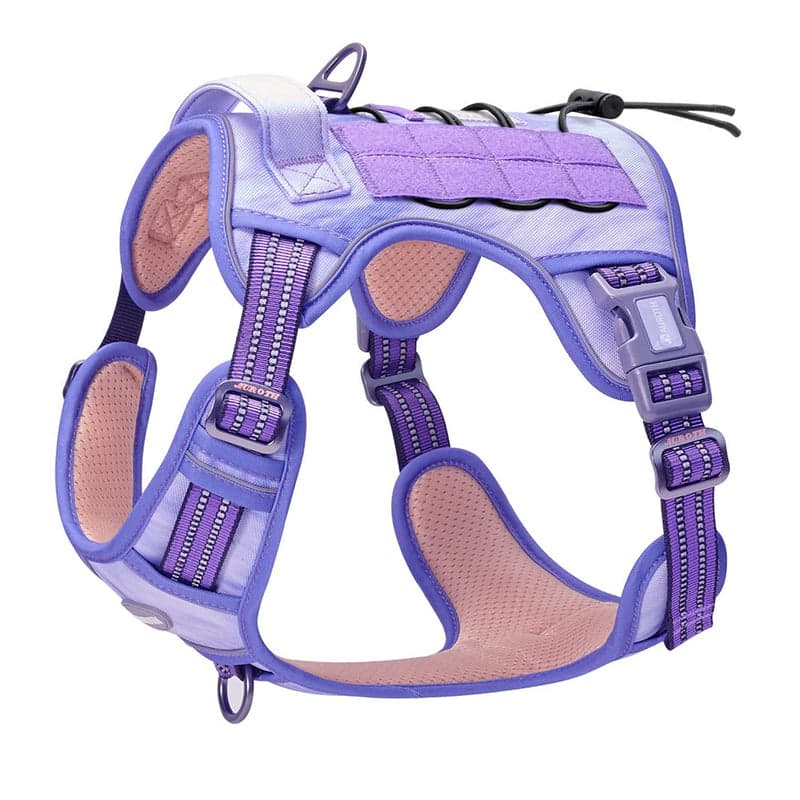
If your dog is still learning leash manners, pair your standard leash with a front-clip harness, which redirects pulling without putting pressure on the neck. See our puppy essentials guide for the full setup we recommend for new dogs.
Retractable Leash: Use with Caution
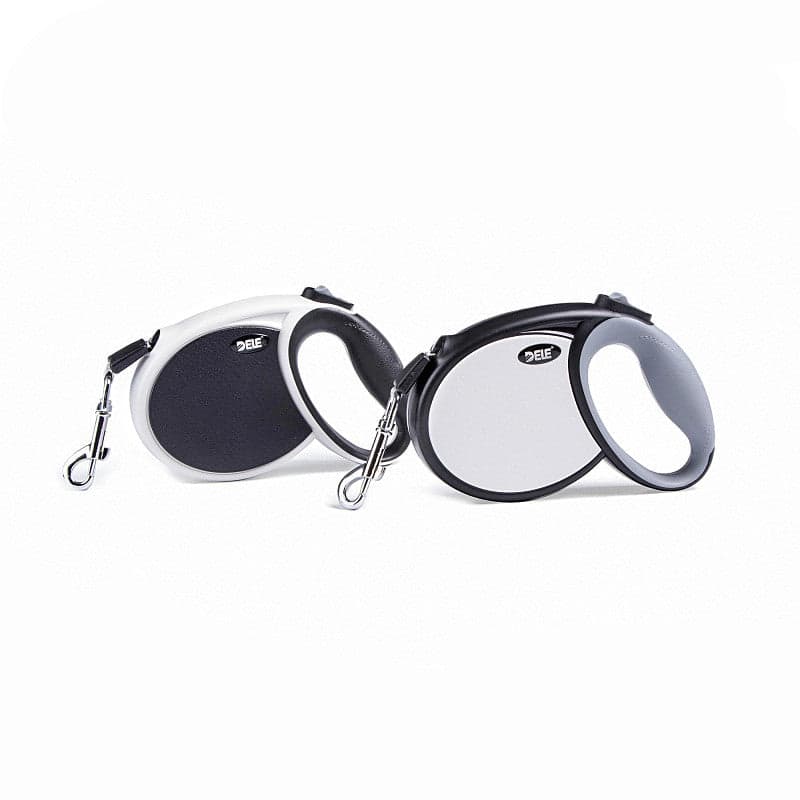
Retractable leashes allow your dog to roam up to 26 feet ahead of you, which sounds great in theory. In practice, they teach dogs to pull (more pulling = more leash), they provide minimal control in emergencies, and they have been responsible for serious injuries to both dogs and owners. The thin cord can cause severe rope burns if it wraps around a limb. If you use one, do so only in open, low-traffic areas with a calm, well-trained dog.
Training Long Line: For Recall Work
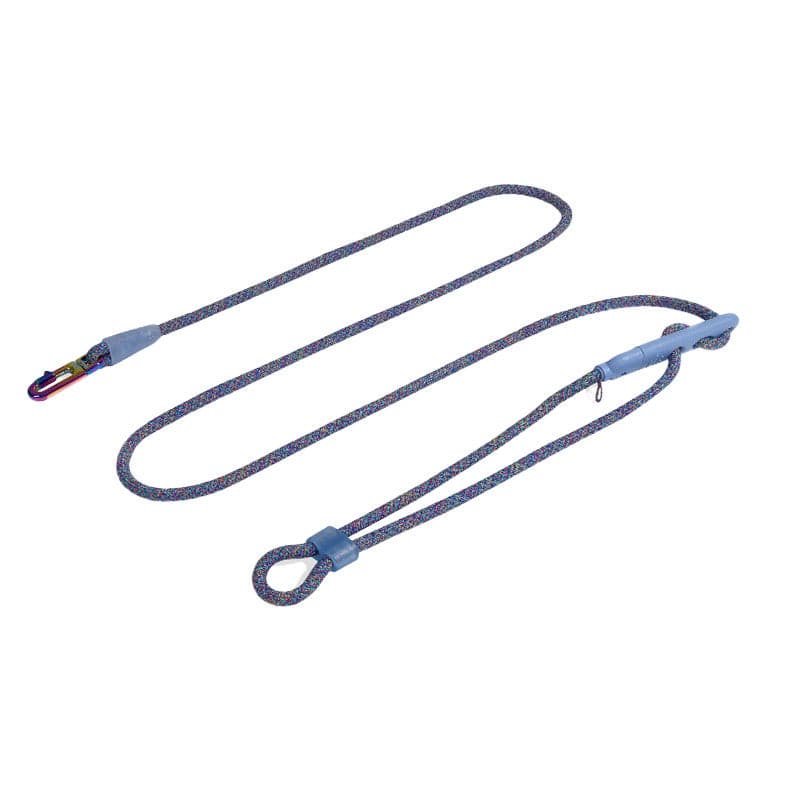
A 15 to 30-foot long line is an underrated tool that every dog owner should have. It lets your dog practice off-leash behaviors — recall, "stay," distance commands — while keeping them safely tethered. Long lines are ideal for dogs who are not yet reliable off-leash and for exercising in parks where dogs must remain on leash. Use a lightweight climbing rope or a flat biothane long line to prevent tangling.
Hands-Free & Bungee Leashes: For Active Owners
If you run or hike with your dog, a hands-free leash that clips around your waist frees up your arms and distributes pulling force across your core rather than your wrist. A built-in bungee section absorbs sudden lunges, protecting both you and your dog from jarring jerks. Most hands-free leashes include a detachable standard leash component for regular walking.
Slip Leads: For Training Professionals
A slip lead combines a collar and leash in a single loop. It is the go-to tool for dog trainers, groomers, and shelters because it goes on instantly without fiddling with clasps. For pet owners, slip leads work well once your dog understands leash pressure and walks relatively calmly. They are not recommended for pullers or dogs prone to slipping out of collars.
What to Look for When Buying a Leash
Beyond length and material, pay attention to handle padding (critical for powerful breeds), hardware quality (solid brass or stainless steel outlasts cheap zinc), and handle style. A padded loop handle is comfortable for long walks. A traffic handle — a second short grip near the clip — lets you pull your dog close when needed without bending down or wrapping the leash around your hand. Check out our full leash collection for options in every style.
Once you have the right leash, check out our guide to keeping your dog entertained — because a well-exercised dog makes every walk easier.
Frequently Asked Questions
What length leash is best for dog walking?
For everyday walks, a 4 to 6-foot leash gives you enough control without restricting your dog too much. For training recall and off-leash skills, a 20 to 30-foot long line lets your dog practice distance while remaining safely tethered.
Are retractable leashes bad for dogs?
Retractable leashes are controversial. They teach dogs to pull (because pulling lets them go further), and they offer little control in dangerous situations. They are fine for calm, well-trained dogs in low-traffic areas, but standard leashes are a better choice for training and city walking.
What is the best leash material for strong dogs?
Biothane-coated webbing is the gold standard for strong dogs — it is waterproof, easy to clean, nearly indestructible, and easy on your hands. Nylon is a solid budget option but can cause rope burn if your dog lunges. Avoid thin leather for heavy pullers.
Products Mentioned
Keep Reading