15 Ways to Keep Your Dog Entertained Indoors (No Yard Required)
Bad weather? Small apartment? Here are 15 proven ways to keep your dog mentally and physically stimulated without ever stepping outside.
Rain is pouring. It is too hot to go outside. Or you are stuck in a small apartment with a dog who has been pacing for an hour. Sound familiar? The good news: dogs do not actually need a yard or a long run every day to stay happy. What they need is stimulation — mental and physical. Here are 15 ways to deliver that without going outside.
1. Puzzle Toys and Treat Dispensers
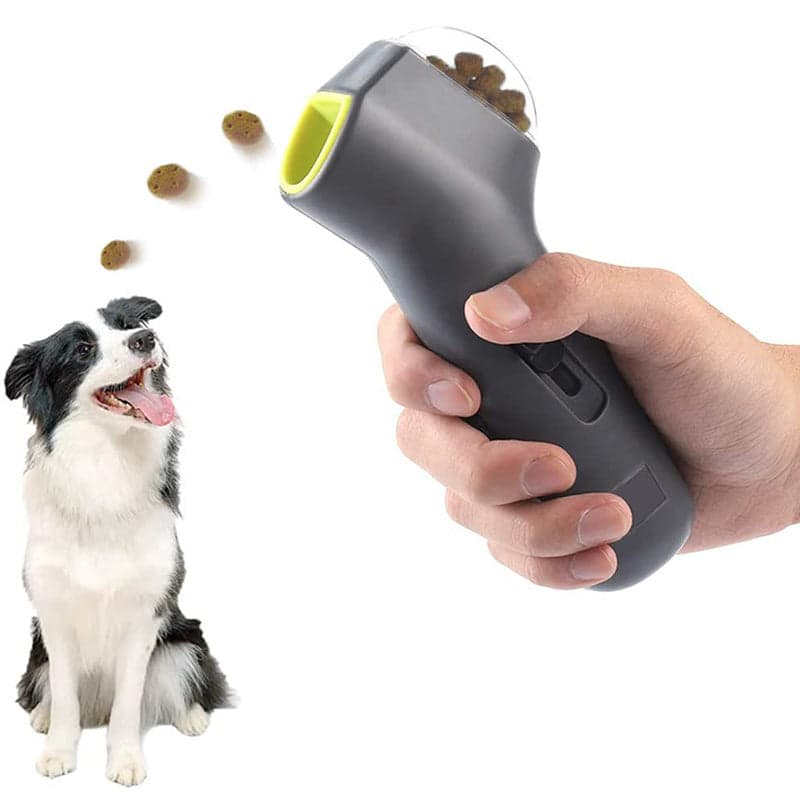
Puzzle toys are the single most effective indoor enrichment tool. They make your dog work for their food, engage their problem-solving brain, and buy you 20 to 40 minutes of focused, calm activity. Start with a simpler design and work up to more complex ones as your dog gets good at each level. The interactive treat toys in our collection include options for every skill level.
2. The Snuffle Mat
A snuffle mat mimics foraging in grass. Hide kibble or small treats in the fabric strips and watch your dog spend 10 to 20 minutes nose-down, completely absorbed in the search. It is one of the most calming enrichment activities available and works especially well for anxious dogs or dogs with high prey drive who need an outlet for their scenting instincts.
3. Training Sessions (15 Minutes is Enough)
A short training session — 10 to 15 minutes of teaching or practicing commands — is mentally exhausting for dogs in the best way. Work on basics (sit, stay, come, down, leave it) or teach something new (roll over, shake, find it). End every session on a success and with lots of praise. Training also strengthens your bond, which is its own form of enrichment.
4. Tug-of-War
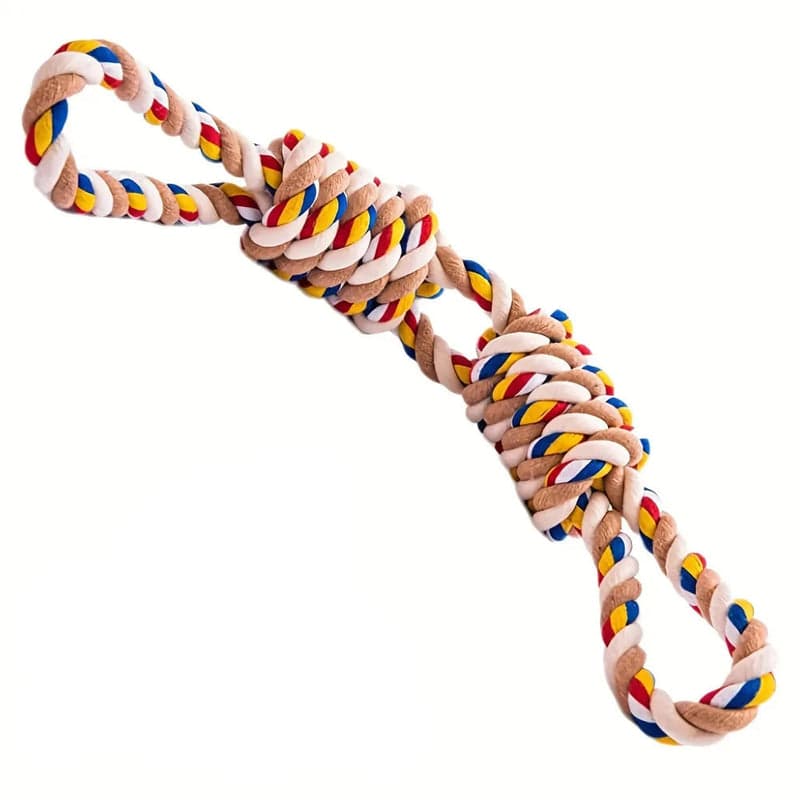
Tug is a fantastic indoor exercise that tires out your dog physically without requiring much space. It is also a great way to teach the "drop it" command — make dropping the toy on cue a condition for continuing the game. A durable rope toy or a tug toy with handles works well. The rope toy is one of our most popular picks for exactly this purpose.
5. Hide and Seek
Have your dog sit and stay (or have someone hold them), then hide somewhere in the house. Call their name once. Most dogs absolutely love this game and will run from room to room searching excitedly. When they find you, make a huge fuss with treats and praise. This also strengthens your recall, which is a practical bonus.
6. The Muffin Tin Game
Place treats under a few of the cups in a muffin tin. Cover all the cups with tennis balls. Your dog has to flip the balls off to find the treats. It is simple, costs nothing (if you already have a muffin tin and balls), and most dogs find it highly engaging.
7. Hallway Fetch
If you have a long hallway, fetch can work indoors. Use a soft ball or plush toy to avoid bouncing off walls at destructive speeds. Aim for low throws and keep the sessions short to prevent your dog from overheating on a hard floor. Place a small rug at the end of the hallway to give your dog traction when they turn.
8. Frozen Stuffed Kongs
Stuff a Kong or similar hollow toy with peanut butter, plain yogurt, mashed banana, or wet dog food and freeze it overnight. A frozen stuffed Kong can keep a dog occupied for 20 to 45 minutes, which is invaluable when you need to focus on work or a call. Prepare a week's worth on Sunday and keep them in the freezer.
9. Nose Work Games
Nose work taps into your dog's most powerful sense. Start simple: show your dog a treat, put it under one of three upside-down cups, and encourage them to find it. Graduate to hiding treats in different rooms and sending your dog to search. Advanced nose work can involve specific scent targets, but even basic find-the-treat games provide serious mental stimulation.
10. New Toy Rotation
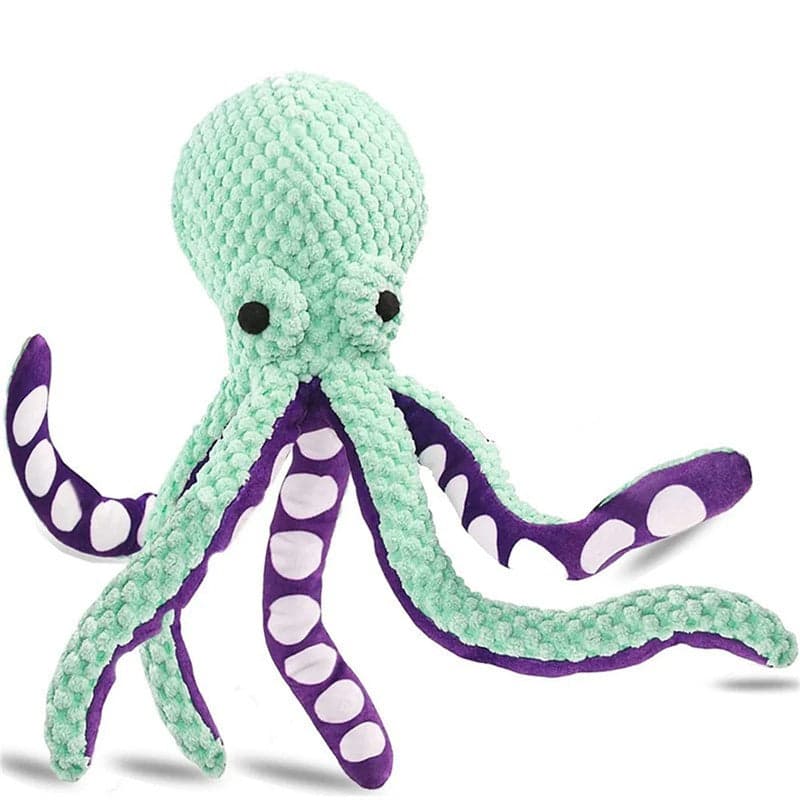
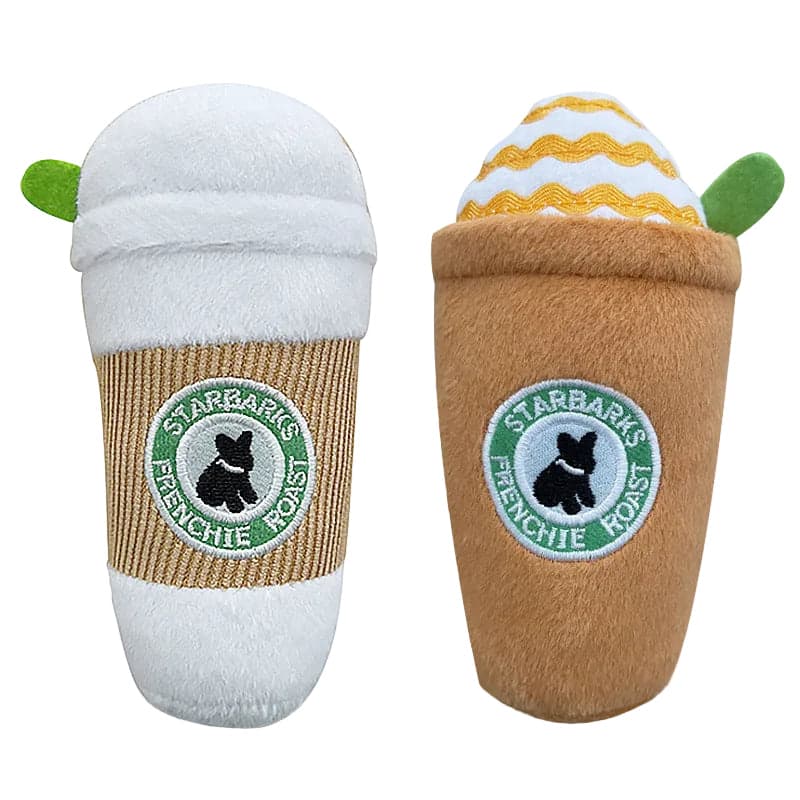
Dogs get bored of the same toys. Instead of buying more, rotate what is available. Put two-thirds of your dog's toys in a box and swap the accessible ones every few days. Toys that have been "away" for a week feel almost new again. This extends the value of every toy you already own. See our top toy picks for additions worth adding to the rotation.
11. Dog TV and Music
It sounds silly, but it works. Dogs respond to nature documentaries, especially ones with animals, birds, and movement. Dog TV (an actual streaming service designed for dogs) keeps many dogs engaged for hours. Classical music and reggae have been shown to reduce stress hormones in dogs. During thunderstorms or fireworks, a calm music playlist can make a real difference.
12. Massage and Grooming Sessions
Slow, deliberate massage is both physically relaxing and emotionally bonding for dogs. Use this time to also check your dog's body for any lumps, cuts, or skin issues you might otherwise miss. Follow with gentle brushing, which most dogs learn to love once they are used to it. Our home grooming guide covers the full routine.
13. DIY Obstacle Course
Use couch cushions, chairs, towels, and brooms to build a mini agility course in your living room. Teach your dog to jump over a broomstick on two chairs, weave between chair legs, and crawl under a row of pillows. It is a great bonding activity and keeps both of you entertained on a rainy afternoon.
14. Stair Sprints
If you have stairs, they are an incredible exercise tool. Send your dog up and down repeatedly by throwing a toy to the top and calling them back down to you. A few rounds of stair sprints burns a surprising amount of energy. Start slow to avoid joint strain, especially for puppies or senior dogs.
15. Quality Couch Time
Do not underestimate the value of simply being with your dog. Calm, connected time — even just lying on the couch with them while you watch TV — satisfies your dog's need for companionship in a way that toys and games cannot. Sometimes the best enrichment is just your presence and attention.
Find the toys that make indoor time most rewarding in our full toy collection, and check out our new puppy checklist if you are just getting started.
Frequently Asked Questions
How do you mentally tire out a dog indoors?
Mental exercise is actually more tiring than physical exercise for most dogs. Puzzle toys, snuffle mats, training sessions, hide-and-seek with treats, and nose work games all engage your dog's brain intensely. A 15-minute training session or puzzle session can tire out a dog as much as a 30-minute walk.
What games can I play with my dog inside?
Great indoor games include hide-and-seek (hide yourself and call your dog), find-the-treat (hide treats around the house), tug-of-war, fetch down a hallway, "which hand" (hide a treat in one fist), and free shaping (let your dog try to figure out what behavior earns a treat).
How long can a dog be left indoors?
Adult dogs can generally be left alone for 4 to 6 hours. Puppies need more frequent bathroom breaks — every 2 hours for very young pups. Leaving puzzle toys and chews helps dogs self-entertain. Any dog left alone for long periods needs significant exercise and enrichment before and after.
Products Mentioned
Keep Reading