Dog Carrier Tote Bag: How to Choose the Perfect Travel Companion
The complete buying guide for dog carrier tote bags. Learn how to choose the right size, features, and style for comfortable, safe travel with your small dog.
Whether you are navigating a crowded farmers market, boarding a flight, commuting on public transit, or simply running errands with your small dog, a good carrier tote bag changes everything. It keeps your dog safe, secure, and close to you while leaving your hands free. But with dozens of options on the market — from flimsy fashion bags to overbuilt military-grade carriers — choosing the right one can feel overwhelming.
This guide will walk you through everything you need to know about selecting the perfect dog carrier tote bag, from sizing and safety features to training your dog to love their new travel companion.
Why a Carrier Tote Bag?
Carrier tote bags are specifically designed for small dogs (generally under 20 lbs) and serve a different purpose than crates, backpack carriers, or strollers. The tote style sits at your side like a handbag, keeping your dog at hip level where they can see the world around them while feeling the reassurance of being close to your body. This positioning is important — dogs feel most secure when they can see their owner and sense their presence.
Compared to hard-sided carriers, tote bags are lighter, more flexible, and significantly more comfortable to carry for extended periods. They also look more stylish, which matters if you want to bring your dog to restaurants, shops, or social events without looking like you are hauling luggage.
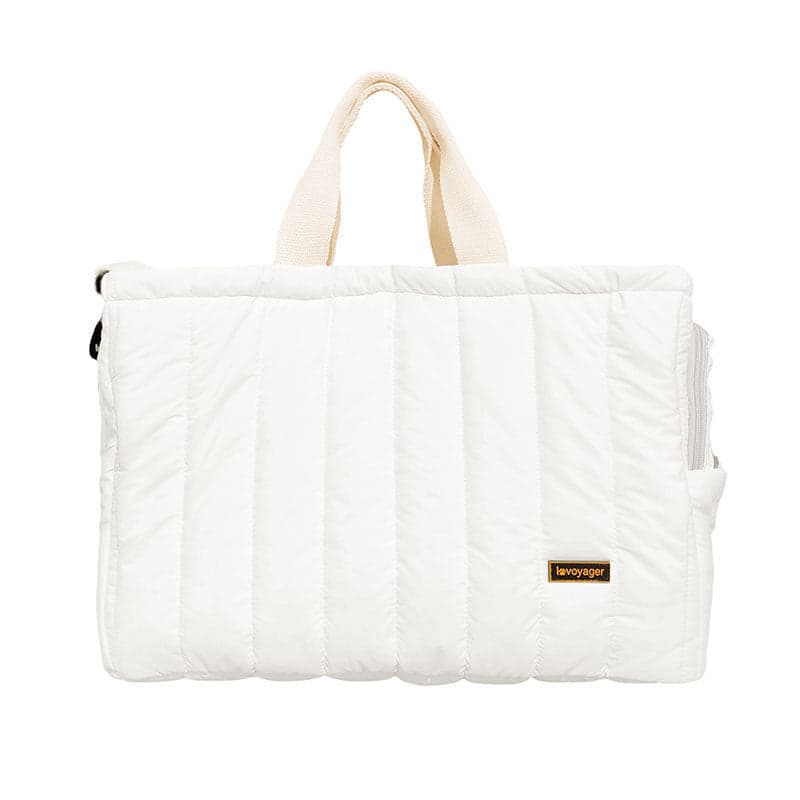
Our Rio's Travel Tote Dog Carrier was designed with all of these considerations in mind — but before we dive into that specific product, let us cover the fundamentals of choosing any carrier tote.
Sizing Your Dog Carrier: Getting It Right
This is the most critical step, and it is where many buyers go wrong. A carrier that is too small will make your dog uncomfortable and anxious. A carrier that is too large lets your dog slide around inside, which is both stressful and potentially dangerous.
How to Measure
You need two measurements:
- Length: Measure from your dog's chest (front of the sternum) to the base of their tail. The carrier should be at least 2-3 inches longer than this measurement.
- Height: Measure from the bottom of your dog's paw to the top of their shoulder when standing. The carrier should be tall enough for your dog to stand without crouching, though most dogs prefer to lie down during travel.
Weight limits are important too, but do not rely on them alone. A compact, muscular 15-lb dog and a lanky, lean 15-lb dog have very different space needs. Always check both weight and dimensions.
Breed Considerations
Some breeds are natural carrier dogs. Chihuahuas, Yorkshire Terriers, Maltese, Pomeranians, and similar toy breeds fit comfortably in most standard-sized carriers. Small breeds like Dachshunds and Corgis need longer carriers to accommodate their elongated bodies. French Bulldogs and Pugs, while small enough in weight, often need wider carriers due to their broad chests.
Essential Safety Features
A carrier tote is only as good as its safety features. Here is what to look for:
Internal Leash Clip
This is non-negotiable. A built-in leash clip or tether attaches to your dog's collar or harness and prevents them from jumping out of an open carrier. It is the single most important safety feature, and any carrier without one should be immediately disqualified from your list.
Ventilation
Your dog needs adequate airflow from inside the carrier. Look for mesh panels on at least two sides — three is even better. Avoid carriers that only have a single mesh opening, as they can get stuffy quickly, especially in warm weather. Good ventilation also lets your dog see out, which reduces anxiety during travel.
Secure Closures
Zippers should be sturdy, smooth-operating, and ideally lockable. Some clever dogs learn to nose open zippers from the inside, so a carrier with dual-pull zippers (that can be latched together at the top) is a smart choice. Magnetic closures look sleek but are generally not secure enough for an active dog.
Sturdy Bottom Insert
A rigid or semi-rigid bottom insert prevents the carrier from sagging under your dog's weight, which is both uncomfortable for the dog and makes the carrier harder to carry. The insert should be removable for easy washing. Some carriers include a padded mat that sits on top of the insert for extra comfort.
Comfort Features That Matter
Padded Shoulder Strap
Even a 10-lb dog gets heavy after 30 minutes of carrying. A wide, padded shoulder strap distributes weight across your shoulder and prevents the strap from digging in. Adjustable length is essential so you can position the carrier at the right height for your body.
Washable Interior
Dogs drool, shed, and occasionally have accidents. A carrier with a removable, machine-washable liner is going to stay fresh and hygienic much longer than one with a fixed interior. This is one of those features that does not seem important at purchase time but becomes critical after the first road trip.
Storage Pockets
Side pockets for treats, waste bags, keys, and your phone are incredibly convenient when you are traveling with a dog and already have your hands full. Some carriers include an exterior zip pocket large enough for a wallet and phone, which means you can leave your regular bag at home for short outings.
Training Your Dog to Love the Carrier
Even the best carrier in the world is useless if your dog hates being in it. Proper introduction is everything, and the process should be gradual and entirely positive.
Week 1: Introduction at Home
Place the open carrier on the floor in a familiar room. Put a favorite blanket and some high-value treats inside. Let your dog explore it on their own terms — no forcing, no closing the flap. Praise and reward any voluntary interaction with the carrier. Many dogs will start napping in it within a few days if left open and inviting.
Week 2: Short Sessions
Once your dog is comfortable going in and out freely, start zipping the carrier closed for short periods — 2 to 5 minutes at first — while you stay right next to them. Give treats through the mesh and talk to them calmly. If they show stress, open the carrier immediately and go back to shorter sessions.
Week 3: Movement
Pick up the carrier (with your dog inside) and walk around the house. Start with just a few steps, then set it back down and open it. Gradually increase the distance and duration. The goal is for your dog to associate the carrier with calm, positive experiences, not with being trapped.
Week 4: Real Outings
Take your dog on a short, pleasant outing in the carrier — a quick trip to a friend's house, a walk around the block, or a visit to a dog-friendly store. Keep it brief and reward generously. From here, you can gradually increase the length and complexity of your adventures together.
Travel Tips for Carrier Tote Bags
- For flights: Call your airline to confirm their pet carrier dimensions. Practice having your dog in the carrier under a chair at home to simulate the under-seat experience.
- For car rides: Secure the carrier on the back seat with a seatbelt threaded through the strap. Never place it in the front seat where airbag deployment could be dangerous.
- For hot weather: Avoid overheating by choosing carriers with maximum ventilation, carrying a portable water bowl, and taking breaks in shaded areas. Never leave your dog in a carrier in direct sunlight.
- For long trips: Pack a small comfort item that smells like home — a worn t-shirt or their favorite small toy. The Rio's Rabbit is a perfect travel companion that fits easily in most carriers.
For more ways to keep your pup comfortable and entertained, check out our best dog toys of 2026 guide for travel-friendly options.
Our Top Pick: Rio's Travel Tote Dog Carrier
After testing numerous carrier tote bags, the Rio's Travel Tote Dog Carrier stands out for its thoughtful design, quality materials, and attention to both dog comfort and owner convenience. It checks every box on our essential features list — internal leash clip, multi-panel mesh ventilation, sturdy bottom insert, padded shoulder strap, washable liner, and storage pockets — while looking clean and stylish enough for any outing.
The Bottom Line
A good dog carrier tote bag is an investment in your ability to share more of your life with your dog. The right carrier makes travel stress-free, errands enjoyable, and adventures possible. Take the time to measure properly, prioritize safety features, and train your dog gradually. The payoff is a dog who is happy, secure, and ready to go wherever you go.
Explore our full accessories collection for everything you need to travel in style with your pup.
Frequently Asked Questions
What size dog fits in a carrier tote bag?
Most carrier tote bags are designed for dogs up to 15-20 lbs. Measure your dog from chest to base of tail and from paw to shoulder top. The carrier should be at least 2-3 inches longer and taller than these measurements so your dog can sit, stand, and turn around comfortably.
Are dog carrier tote bags airline approved?
Many carrier tote bags meet airline carry-on requirements, but regulations vary by airline. Most airlines require soft-sided carriers that fit under the seat (typically 17x11x10 inches or smaller). Always check your specific airline's pet policy before traveling.
How do I get my dog used to a carrier tote bag?
Start by placing the open carrier in your home with treats and a familiar blanket inside. Let your dog explore it freely for several days. Then practice short trips around the house, then to the car, gradually increasing duration. Never force your dog into the carrier.
Can I use a dog carrier tote bag for a puppy?
Yes, carrier tote bags are excellent for puppies. They provide a secure, den-like environment that puppies find comforting. Choose a carrier sized for your puppy's expected adult weight so you do not need to buy a new one as they grow.
What features should I look for in a dog carrier tote bag?
Essential features include: ventilation mesh on at least two sides, a secure leash clip inside, a padded shoulder strap, a sturdy bottom insert, washable lining, and a zipper that can be locked. Bonus features include side pockets for treats/waste bags and a removable comfort pad.
Products Mentioned
Keep Reading