Dog Bed Guide: From Zen Dens to Throne Beds — Find the Perfect Fit
The most comprehensive guide to every type of dog bed — donut, orthopedic, elevated, cave, throne, zen den, and corner beds. Find the perfect sleeping spot for your pup.
If you have ever searched "best dog bed" online, you know the overwhelm. Orthopedic, donut, elevated, cave, bolster, cooling, heated, crate pad, travel mat — the options are endless and the marketing makes every single one sound like the obvious choice. The truth is, the best dog bed depends entirely on your specific dog: their size, age, health, sleeping style, and personality.
We covered the basics in our earlier guide to choosing the right dog bed, which remains a great starting point. This guide goes deeper, covering every major bed type including some that do not get nearly enough attention — like throne beds, zen dens, and corner beds. By the end, you will know exactly which type suits your dog.
Understanding How Your Dog Sleeps
Before we dive into bed types, spend a few days observing how your dog actually sleeps. This is the single most useful thing you can do to choose the right bed.
- The Curl: Dog sleeps in a tight ball with tail tucked around body. Prefers enclosed, secure spaces. Best beds: donut, cave/zen den, bolster.
- The Sprawl: Dog sleeps stretched out on their side, legs extended. Needs maximum surface area. Best beds: flat mat, orthopedic, oversized bolster.
- The Superman: Dog sleeps on belly with legs stretched forward and backward. Needs a flat, cool surface. Best beds: cooling mat, elevated cot, flat orthopedic.
- The Back Sleeper: Dog sleeps on back with paws in the air. Completely relaxed and confident. Best beds: bolster (legs can rest on raised edges), donut, any bed with sides.
- The Lean: Dog always sleeps pressed against something — a wall, furniture, or your leg. Needs support on at least one side. Best beds: corner bed, throne bed, bolster.
Every Type of Dog Bed, Explained
Donut Beds (Calming Beds)
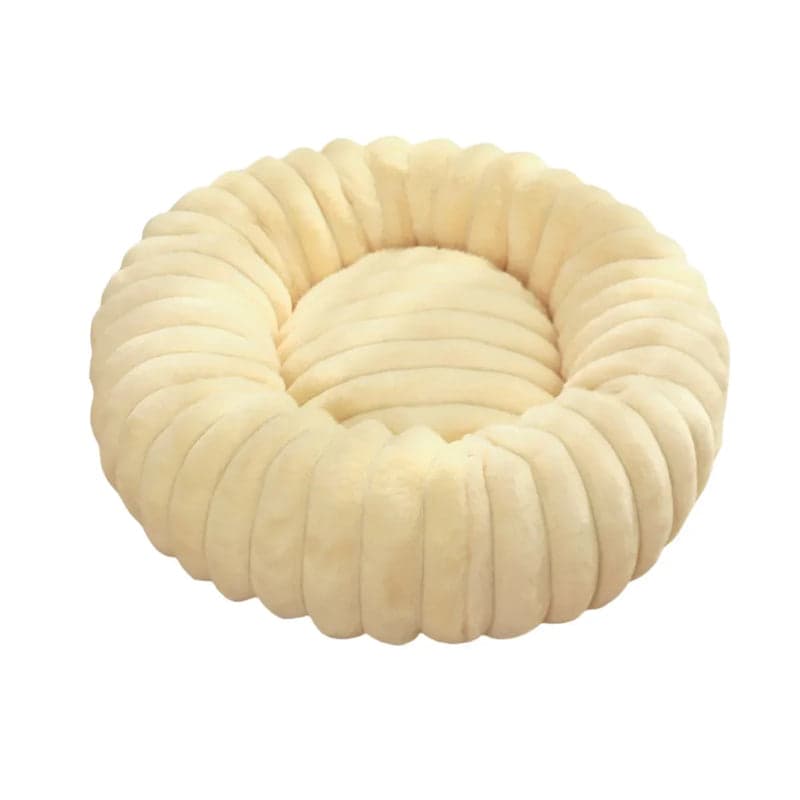
Donut beds feature a round shape with raised, cushioned edges all the way around, creating a nest-like sleeping area in the center. They are specifically designed for dogs who curl up to sleep and who feel more secure with something touching their back. The raised edges serve double duty as a pillow for your dog to rest their head on.
Calming donut beds take this design further with ultra-soft faux fur or plush material that mimics the warmth and texture of snuggling with other dogs. They are particularly effective for anxious dogs and dogs who have recently been adopted from shelters, as the enclosed feeling triggers a natural comfort response rooted in puppy-hood nest behavior.
Best for: Curlers, anxious dogs, small to medium breeds, dogs who like to nest.
Orthopedic Memory Foam Beds
Orthopedic beds use medical-grade memory foam that contours to your dog's body, distributing weight evenly and eliminating pressure points. They are the gold standard for dogs with joint issues, arthritis, hip dysplasia, or recovery from surgery. The foam should be at least 3-4 inches thick for genuine orthopedic benefit — thinner "memory foam" beds often use a thin foam layer over cheap polyfill, which defeats the purpose.
Quality orthopedic beds are an investment, but they last significantly longer than standard beds because memory foam retains its shape for years while polyfill compresses and flattens within months.
Best for: Senior dogs, large breeds, dogs with joint issues, post-surgery recovery, side sleepers.
Bolster Beds
Bolster beds feature raised padded edges on three sides (with one low side for easy entry) or all four sides. The bolsters provide a sense of security and serve as built-in pillows for dogs who like to rest their head on something elevated. They are one of the most versatile bed types because they work for curlers, sprawlers, and leaners alike.
Best for: Dogs who lean against things, head-resters, dogs who like to survey the room from their bed.
Cave Beds (Zen Dens)
Cave beds — sometimes called zen dens or hooded beds — feature an enclosed, den-like design with a hood or canopy that covers the sleeping area. They are the ultimate bed for dogs with strong burrowing instincts. Dachshunds, Terriers, Chihuahuas, and other breeds with tunnel-oriented ancestry often go absolutely wild for cave beds.
The enclosure also provides sensory shielding, blocking light and muffling sound. This makes cave beds excellent for dogs who are sensitive to environmental stimuli — traffic noise, household activity, storms, or flickering lights. If your dog regularly crawls under furniture or burrows under blankets, a cave bed is exactly what they are looking for.
Best for: Burrowers, anxious dogs, noise-sensitive dogs, small breeds with tunnel instincts.
Elevated Cot Beds
Elevated beds use a taut fabric stretched over a raised frame, keeping your dog off the ground entirely. The suspended design promotes airflow underneath the bed, which makes elevated cots outstanding for hot climates and dogs who overheat easily. They are also excellent for outdoor use — patios, decks, camping — because they keep your dog off wet, hot, or cold ground.
The downside is that elevated cots do not provide the cushioning that foam beds offer. They are a poor choice for dogs with joint issues who need pressure relief. However, for healthy dogs in warm climates, they are hard to beat for comfort and convenience.
Best for: Hot-weather dogs, outdoor sleepers, double-coated breeds, healthy dogs who overheat.
Throne Beds
Throne beds are the luxury option in the dog bed world. They feature a raised, chair-like design with a high back and armrests, creating a miniature armchair for your dog. Some versions are built on elevated wooden or metal frames, giving them a furniture-grade appearance that blends with home decor.
Beyond aesthetics, throne beds serve a functional purpose for dogs who like to sleep in an elevated, supported position. The high back provides security for leaners, and the raised platform satisfies dogs who prefer to sleep above floor level — which is a common preference in multi-dog households where elevation equals status.
Best for: Dogs who climb on furniture, leaners, multi-dog households, style-conscious owners.
Corner Beds
Corner beds are designed to fit snugly into the corner of a room, using the walls as two additional "sides" of the bed. They are a brilliant space-saving solution for apartments and smaller homes, and they appeal to dogs who naturally gravitate toward corners and wall-adjacent spots when resting. The L-shaped or triangular design maximizes sleeping surface while minimizing floor footprint.
Dogs who sleep in corners often do so because the walls provide a sense of security on two sides, leaving only one direction to monitor. A corner bed formalizes this instinct by providing a comfortable, dedicated sleeping surface in the exact spot your dog already prefers.
Best for: Dogs who sleep in corners, small apartments, multi-dog homes where space is limited.
Cooling Beds
Cooling beds use pressure-activated gel or breathable mesh to dissipate your dog's body heat. They are essential for brachycephalic breeds (Bulldogs, Pugs, Boston Terriers) who struggle with heat regulation, double-coated breeds during summer, and any dog living in warm climates. Most cooling beds do not require electricity or refrigeration — the gel activates when your dog lies on it and recharges when unoccupied.
Best for: Brachycephalic breeds, thick-coated dogs, hot climates, dogs who seek cool surfaces.
Crate Pads and Mats
Crate pads are thin, flat beds designed to fit inside standard-sized dog crates. They provide cushioning and insulation from the hard crate floor without taking up the overhead space that thicker beds would. Crate pads with waterproof backing are particularly useful for puppies in house training.
Best for: Crate-trained dogs, travel, puppies, dogs who sleep in kennels.
Bed Placement: Where You Put It Matters
Even the perfect bed can be ignored if it is in the wrong spot. Here are placement principles that work:
- Follow your dog: Watch where your dog naturally chooses to rest. Place their bed there. Dogs are creatures of habit and have already identified the spots in your home where they feel most comfortable.
- Avoid high-traffic areas: Dogs sleep better in quiet spots away from constant foot traffic. A bedroom corner, a living room nook, or a spot under a desk are all excellent choices.
- Consider sightlines: Many dogs prefer a spot where they can see the room's entry points while lying down. This satisfies their natural guarding instinct and helps them relax because they feel in control of their environment.
- Temperature matters: Avoid placing beds directly next to heating vents, radiators, or under air conditioning units. Aim for a spot with stable, moderate temperature.
- Multiple beds are fine: Many dog owners have 2-3 beds in different rooms. Dogs appreciate having options and often choose different beds at different times of day.
How Long Should a Dog Bed Last?
This depends heavily on the bed quality, your dog's size, and how they use it. General guidelines:
- Memory foam orthopedic: 3-5 years for quality brands. The foam retains its shape long after cheaper fills have gone flat.
- Standard polyfill: 6-12 months before the fill compresses significantly and stops providing adequate cushioning.
- Elevated cots: 2-5 years. The frame lasts indefinitely; the fabric may need replacement every few years.
- Donut/calming beds: 1-2 years. The soft plush exterior shows wear faster than flat bed surfaces.
Signs your dog's bed needs replacing: visible flattening where your dog lies, persistent odor after washing, torn cover or exposed filling, your dog avoiding the bed and sleeping on the floor instead.
Making the Final Decision
If you are still unsure which bed type to choose, start with these simple rules:
- Dog is over 7 years old or has joint issues? Orthopedic memory foam.
- Dog curls up and seems anxious? Calming donut or cave/zen den.
- Dog runs hot or lives in a warm climate? Elevated cot or cooling mat.
- Dog always sleeps against walls or furniture? Corner bed, bolster, or throne.
- Dog burrows under blankets? Cave/zen den bed.
- Not sure? A quality bolster bed with a memory foam base is the safest all-around choice that works for most dogs.
The Bottom Line
Your dog spends half their life sleeping. The right bed supports their health, soothes their anxiety, and gives them a space that feels unmistakably theirs. Whether you opt for the security of a zen den, the support of an orthopedic bed, the airflow of an elevated cot, or the style of a throne bed, the most important thing is matching the bed to how your dog actually sleeps — not to how the marketing photos look.
Watch your dog. Learn their habits. Choose accordingly. And if they end up sleeping on the hardwood floor next to their brand-new bed? Well, that is just dogs being dogs. Try moving the bed to that exact spot — you might be surprised.
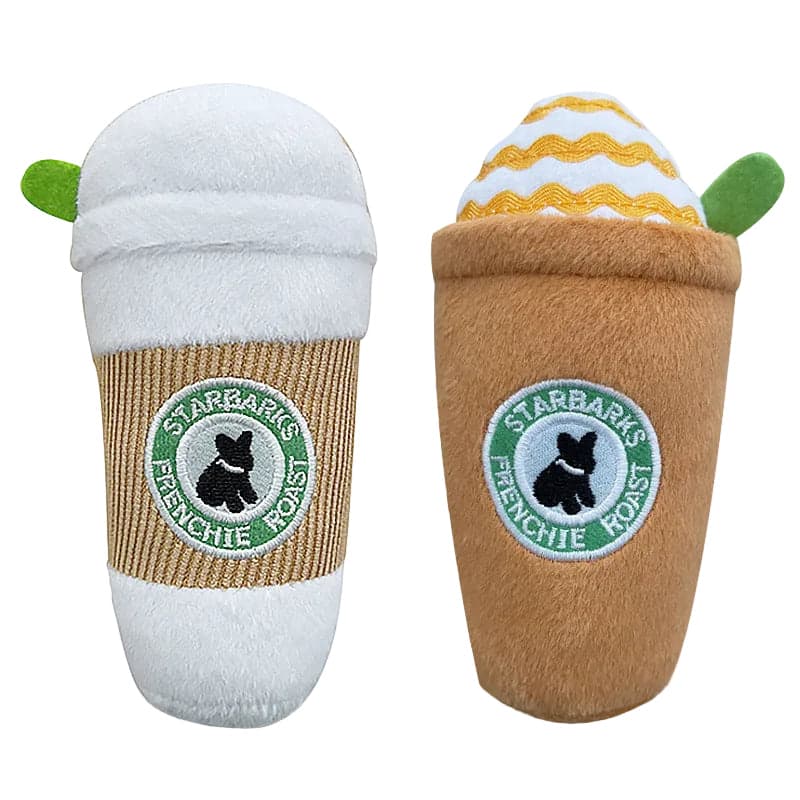
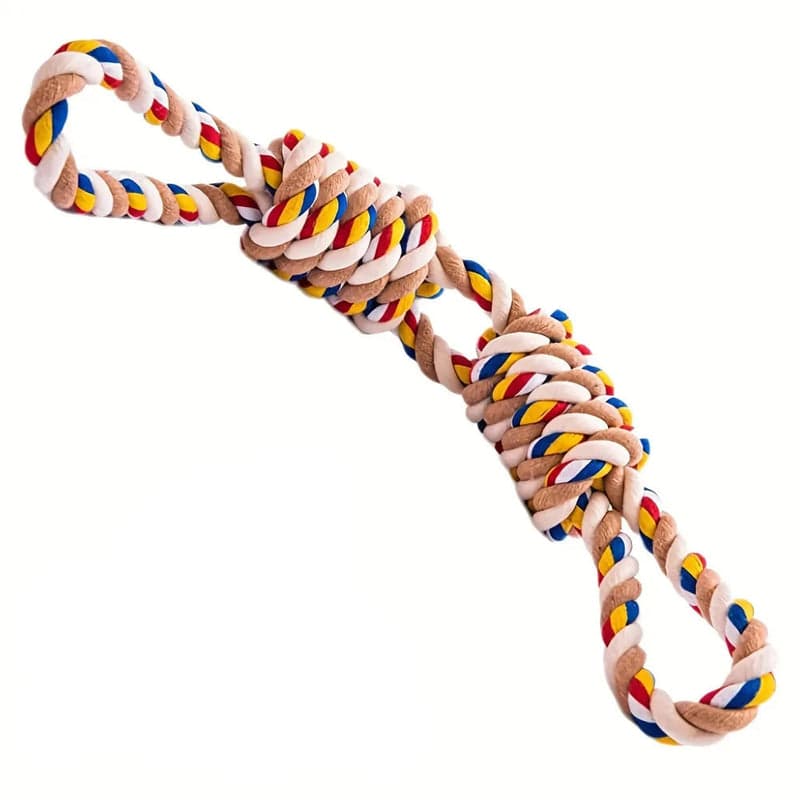
Browse our full bed collection for the perfect sleeping solution, and check out our toy collection for something cozy to put inside it.
Frequently Asked Questions
What is the best type of dog bed for anxious dogs?
Zen den (cave/hooded) beds and calming donut beds are the best choices for anxious dogs. The enclosed feeling mimics a den environment that triggers your dog's natural comfort response. Donut beds with raised bolsters provide security without full enclosure, which some dogs prefer.
How often should I replace my dog's bed?
Replace a dog bed when it no longer provides adequate support (the foam has flattened), when it develops odors that do not wash out, or when the cover becomes damaged beyond repair. For most beds, this is every 1-3 years depending on quality and usage. Memory foam beds last longer than polyfill beds.
What bed is best for dogs with arthritis?
Orthopedic memory foam beds are the gold standard for arthritic dogs. Look for beds with at least 4 inches of memory foam, a supportive bolster to lean against, and an easy step-in design (no high walls to climb over). Heated beds can also provide additional relief for sore joints.
Should I get a different bed for summer and winter?
If your dog runs hot in summer, consider a cooling gel mat or elevated cot for warm months and switch to a plush donut or memory foam bed for winter. Many dog owners keep two beds year-round and let their dog choose based on how they are feeling.
Where should I put my dog's bed?
Place the bed in a quiet area with low foot traffic where your dog already likes to rest. Avoid spots near drafty windows, heating vents, or loud appliances. Many dogs prefer a corner or wall-adjacent location that gives them a sense of security with a view of the room.
Products Mentioned
Keep Reading